Cultured Stone in Zen Gardens Creating Tranquility and Harmony through Design
Introduction Zen gardens, also known as Japanese rock gardens or dry landscapes, are renowned for their minimalist design and ability to evoke a sense of peace and tranquility. These gardens often feature carefully arranged rocks, gravel or sand, and strategically placed plants to create a harmonious and serene space for meditation and contemplation. In recent years, the use of cultured stone in Zen garden design has gained popularity due to its versatility, durability, and aesthetic appeal. This article explores the role of cultured stone in Zen gardens, its benefits, and how it enhances the overall look and feel of these sacred spaces. The Origins of Zen Gardens Zen gardens have a long and rich history rooted in Zen Buddhism, a spiritual tradition that emphasizes simplicity, mindfulness, and the pursuit of enlightenment. The origins of Zen gardens can be traced back to ancient Japan, where they were created by Zen monks as contemplative spaces for meditation and reflection. These gardens were often located within temple grounds and were designed to mimic the natural landscape, with carefully placed rocks symbolizing mountains and streams, and raked gravel or sand representing flowing water. The philosophy behind Zen gardens is to create a space that encourages a sense of calmness, harmony, and balance. By eliminating unnecessary elements and focusing on simplicity and mindfulness, Zen gardens offer a refuge from the chaos and distractions of the outside world, allowing visitors to connect with nature and their inner selves. 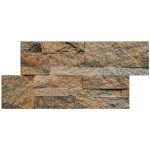 The Role of Cultured Stone in Zen Gardens Cultured stone, also known as manufactured stone or faux stone, is a versatile building material that replicates the look and feel of natural stone. Made from a mixture of cement, aggregates, and pigments, cultured stone is lightweight, durable, and easy to install, making it an ideal choice for a wide range of applications, including Zen garden design. In Zen gardens, cultured stone can be used in various ways to enhance the overall aesthetic and create a sense of harmony and tranquility. One of the key advantages of cultured stone is its ability to mimic the natural beauty of traditional stone while offering greater flexibility in terms of shape, size, and color. This allows designers to create custom elements that seamlessly blend with the surrounding landscape and contribute to the overall Zen aesthetic. Benefits of Using Cultured Stone in Zen Gardens There are several benefits to using cultured stone in Zen garden design, including: 1. Versatility: Cultured stone comes in a wide range of shapes, sizes, and colors, allowing designers to create custom elements that suit the specific needs and vision of the garden. Whether used for pathways, rock formations, or decorative accents, cultured stone offers endless design possibilities. 2. Durability: Cultured stone is highly durable and weather-resistant, making it ideal for outdoor applications such as Zen gardens. Unlike natural stone, which can be prone to cracking and fading over time, cultured stone maintains its appearance and integrity even in harsh environmental conditions. 3. Ease of Installation: Cultured stone is lightweight and easy to install, reducing labor costs and construction time compared to natural stone. This makes it a practical choice for creating intricate and detailed designs in Zen gardens while ensuring a smooth and efficient installation process. 4. Cost-Effective: Cultured stone is typically more affordable than natural stone, making it a cost-effective option for creating beautiful and functional elements in Zen gardens. By using cultured stone, designers can achieve the look of natural stone without exceeding the project budget. Design Ideas for Using Cultured Stone in Zen Gardens There are countless ways to incorporate cultured stone into Zen garden design to enhance the overall ambiance and create a harmonious and tranquil space. Here are some design ideas to inspire your next Zen garden project: 1. Stone Pathways: Create meandering pathways using cultured stone to guide visitors through the garden and encourage a sense of exploration and mindfulness. Use different shapes and sizes of stones to add visual interest and create a natural flow within the space. 2. Rock Formations: Use cultured stone to create artistic rock formations that mimic the rugged beauty of natural rocks. Arrange the stones in a balanced and harmonious manner to evoke a sense of serenity and contemplation, drawing inspiration from traditional Zen garden designs. 3. Water Features: Incorporate water features such as fountains or ponds into your Zen garden design using cultured stone to add a sense of movement and tranquility. The combination of water and stone elements creates a soothing and meditative atmosphere, inviting visitors to relax and reflect. 4. Garden Borders: Define garden borders and boundaries using cultured stone to create a sense of structure and order within the space. By framing the garden with stone elements, you can create a sense of enclosure and separation from the outside world, enhancing the privacy and intimacy of the space. 5. Stepping stone circles for focal points : Use cultured stone to create sculptural elements such as lanterns, pagodas, or benches that serve both a functional and decorative purpose in the garden. These custom-made pieces can add a touch of elegance and sophistication to the overall design while maintaining the Zen aesthetic. Conclusion Cultured stone offers a unique opportunity to enhance the beauty and tranquility of Zen gardens through its versatility, durability, and aesthetic appeal. By incorporating cultured stone into Zen garden design, designers can create custom elements that blend seamlessly with the natural landscape and contribute to the overall sense of harmony and balance. Whether used for pathways, rock formations, water features, or sculptural elements, cultured stone has the potential to elevate the design of Zen gardens and provide visitors with a serene and contemplative space for meditation and reflection.